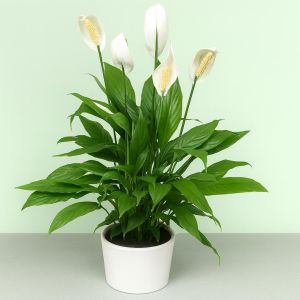
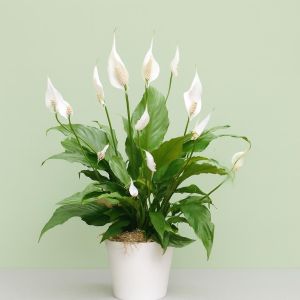
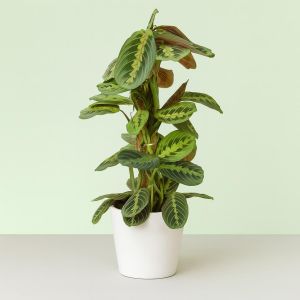
Strelitzia Plant Bird of Paradise 11 cm
- Fast delivery 3-5 working days
- Track & trace
- Grow & Money back guarantee ⓘ
- Shipping cost from €6,95 per order
- Secure payment options
Our payment options
You can safely pay thru our webshop. All our payments are executed by Multisafepay and Paypal within a secure environment. We accept all major creditcards and paypal.

Grow Guarantee
Buy without worries, you have a two-month growth guarantee on all plants!

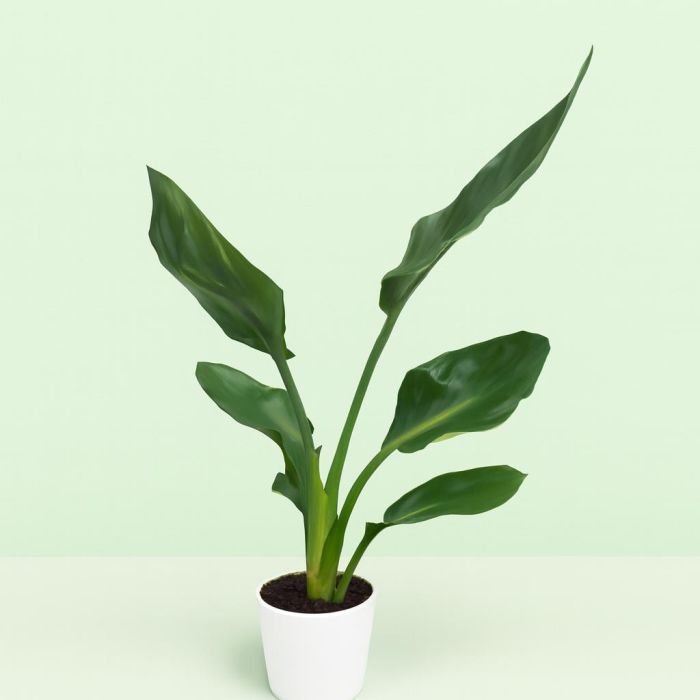
| Botanical name | Strelitzia reginae |
|---|---|
| Free Shipping | No |
| Category | Strelitzia |
| Delivered as | Pot plant |
| Qty | 1x |
| Flowers | Yes |
| Flower period | Summer |
| Fragranr | No |
| Cutflowers | No |
| Flower colour | Yellow |
| Fruits | No |
| Edible | No |
| Location | Sunny |
| Hardy | No |
| Groundcovering | No |
| Naturalizing | No |
| Preferred Soil | Any soil |
| Full grown height | 125cm - 150cm |
| Mature width | 30cm - 40cm |
| Poisonous | No |
| Plant pot size | Ø 11cm |
| Size | 30-40cm |
How to take care of Strelitzia Plant Bird of Paradise 11 cm
Strelitzia plants are best grown indoors in a warm, sunny and humid spot. They need at least four hours of direct sunlight a day, but should have bright light all day. The potting soil must be light, loose fertile soil, put some broken pot shards at the bottom, as good drainage is essential. For best results mix the soil with a mixture of potting soil, peat moss and sand. Feed every two weeks from March through to September with a balanced fertilizer. Over fertilization will lead to excessive foliage and little or no flowering.
Grow Guarantee
Buy without worries, you have a two-month growth guarantee on all plants!